Buy tstn.eu ?
We are moving the project
tstn.eu .
Are you interested in purchasing the domain
tstn.eu ?
domain@kv-gmbh.de · 0541-91531010
Buy tstn.eu ?
How does genetic diversity arise during meiosis?
Genetic diversity arises during meiosis through several processes. First, during prophase I, homologous chromosomes exchange genetic material through a process called crossing over, leading to new combinations of alleles. Second, during metaphase I, the random alignment of homologous chromosomes at the equatorial plate results in different combinations of maternal and paternal chromosomes in the resulting gametes. Finally, during fertilization, the random fusion of gametes from two parents further increases genetic diversity by combining different sets of alleles. Overall, these processes result in the production of genetically diverse gametes, leading to genetic diversity in the offspring. **
How does diversity arise through meiosis in biology?
Diversity arises through meiosis in biology through the processes of crossing over and independent assortment. During meiosis, homologous chromosomes exchange genetic material through crossing over, resulting in new combinations of alleles. Additionally, during the metaphase I stage of meiosis, homologous chromosomes line up randomly at the cell equator, leading to independent assortment of the chromosomes and further increasing genetic diversity. These processes result in the production of genetically diverse gametes, which contribute to the overall genetic diversity within a population. **


Similar search terms for Meiosis
Top-Angebote
Products related to Meiosis:
-
Mamas & Papas Special Edition Liberty Collaboration Cold Weather Plus FootmuffThe Cold Weather Plus Footmuff by Mamas & Papas is the ultimate footmuff for cold weather protection, and features an extra-soft fleece lining. Ideal for keeping baby warm and cozy when out and about in cool weather, you can even zip down to a liner...150,00 $*Shipping: 0,00 $Secure redirect to the provider
-
Inspire Essentials COOSPO HW9 Armband Heart Rate Monitor With Bluetooth And ANT Plus Connectivity COOSPO HW9 Armband Heart Rate Monitor With Bluetooth And ANT Plus ConnectivityTake your training to the next level with the COOSPO HW9 heart rate monitor, a highperformance fitness tracker designed for accuracy, comfort, and versatility. This armband heart rate monitor delivers realtime heart rate, calories, and zone tracking...102,48 $*Shipping: 0,00 $Secure redirect to the provider




-
What is the difference between Meiosis 1 and Meiosis 2?
Meiosis 1 is the first stage of meiosis, during which homologous chromosomes separate, resulting in two daughter cells with half the number of chromosomes as the original cell. Meiosis 2 is the second stage of meiosis, during which sister chromatids separate, resulting in four daughter cells, each with half the number of chromosomes as the original cell. In Meiosis 1, genetic recombination occurs through crossing over, while in Meiosis 2, the main process is the separation of sister chromatids. **
-
What does meiosis mean?
Meiosis is a type of cell division that occurs in sexually reproducing organisms. It involves two rounds of cell division resulting in the production of four daughter cells, each with half the number of chromosomes as the parent cell. This process is essential for the formation of gametes (sperm and egg cells) and ensures genetic diversity in offspring. Meiosis also allows for the shuffling and recombination of genetic material, leading to variation among individuals. **
-
What is meiosis 2?
Meiosis 2 is the second stage of meiosis, a type of cell division that produces gametes (sperm and egg cells) in sexually reproducing organisms. In meiosis 2, the two daughter cells produced in meiosis 1 undergo a second round of division, resulting in the formation of four haploid cells. This process helps to ensure genetic diversity by shuffling genetic material and reducing the chromosome number in half. Meiosis 2 is essential for sexual reproduction and the production of genetically unique offspring. **
-
What is Meiosis 4?
Meiosis 4 is the final stage of meiosis, a type of cell division that results in the formation of gametes (sperm and egg cells) in sexually reproducing organisms. During meiosis 4, the two daughter cells produced in meiosis 2 divide again, resulting in a total of four haploid gametes. This process is essential for genetic diversity and the production of reproductive cells with half the number of chromosomes as the parent cell. **

What is Meiosis 14?
Meiosis 14 is not a recognized or scientifically accepted term in biology. Meiosis is a type of cell division that results in four daughter cells with half the number of chromosomes as the parent cell. It is a crucial process in sexual reproduction, where genetic diversity is generated. The term "Meiosis 14" may be a misunderstanding or misinterpretation of the actual process of meiosis. **
What is Meiosis 18?
Meiosis 18 is a hypothetical process that does not occur in nature. Meiosis is a type of cell division that reduces the chromosome number by half, resulting in the formation of gametes (sperm and egg cells) in sexually reproducing organisms. However, meiosis typically only involves two rounds of cell division, resulting in four daughter cells with half the number of chromosomes as the parent cell. The concept of Meiosis 18 is not biologically accurate and is not a recognized stage of cell division. **
Top-Angebote
Products related to Meiosis:
-
HARPERCOLLINS Creative Confidence by Tom & David Kelley – Unleashing Your Creative Potential & Innovation MindsetA powerful and inspiring book from the founders of IDEO, the award-winning design firm, on unleashing the creativity that lies within each and every one of us. Too often, companies and individuals assume that creativity and innovation are the domain of the ‘creative types’. But two of the foremost experts in innovation, design and creativity on the planet show us that each and every one of us is creative. In an entertaining and inspiring narrative that draws on countless stories from their work at IDEO, and with many of the world's top companies and design firms, David and Tom Kelley identify the principles and strategies that will allow us to tap into our creative potential in our work lives, and in our personal lives, allow us to think outside the box in terms of how we approach and solve problems. ‘Creative Confidence’ is a book that will help each of us be more productive and successful in our lives and in our careers.4,95 £*Shipping: 1,99 £Secure redirect to the provider
-
Uplift Essentials Armband Heart Rate Monitor With Bluetooth 5.0 And ANT+ Connectivity Armband Heart Rate Monitor With Bluetooth 5.0 And ANT+ ConnectivityTrain smarter and safer with this armband heart rate monitor featuring accurate optical HR tracking, calorie burn monitoring, and heart rate zone feedback. Designed for fitness enthusiasts, cyclists, and athletes, this device connects seamlessly to...126,97 $*Shipping: 0,00 $Secure redirect to the provider
-
Mamas & Papas Special Edition Liberty Collaboration Cold Weather Plus FootmuffThe Cold Weather Plus Footmuff by Mamas & Papas is the ultimate footmuff for cold weather protection, and features an extra-soft fleece lining. Ideal for keeping baby warm and cozy when out and about in cool weather, you can even zip down to a liner...150,00 $*Shipping: 0,00 $Secure redirect to the provider
-
How does genetic diversity arise during meiosis?
Genetic diversity arises during meiosis through several processes. First, during prophase I, homologous chromosomes exchange genetic material through a process called crossing over, leading to new combinations of alleles. Second, during metaphase I, the random alignment of homologous chromosomes at the equatorial plate results in different combinations of maternal and paternal chromosomes in the resulting gametes. Finally, during fertilization, the random fusion of gametes from two parents further increases genetic diversity by combining different sets of alleles. Overall, these processes result in the production of genetically diverse gametes, leading to genetic diversity in the offspring. **
-
How does diversity arise through meiosis in biology?
Diversity arises through meiosis in biology through the processes of crossing over and independent assortment. During meiosis, homologous chromosomes exchange genetic material through crossing over, resulting in new combinations of alleles. Additionally, during the metaphase I stage of meiosis, homologous chromosomes line up randomly at the cell equator, leading to independent assortment of the chromosomes and further increasing genetic diversity. These processes result in the production of genetically diverse gametes, which contribute to the overall genetic diversity within a population. **
-
What is the difference between Meiosis 1 and Meiosis 2?
Meiosis 1 is the first stage of meiosis, during which homologous chromosomes separate, resulting in two daughter cells with half the number of chromosomes as the original cell. Meiosis 2 is the second stage of meiosis, during which sister chromatids separate, resulting in four daughter cells, each with half the number of chromosomes as the original cell. In Meiosis 1, genetic recombination occurs through crossing over, while in Meiosis 2, the main process is the separation of sister chromatids. **
-
What does meiosis mean?
Meiosis is a type of cell division that occurs in sexually reproducing organisms. It involves two rounds of cell division resulting in the production of four daughter cells, each with half the number of chromosomes as the parent cell. This process is essential for the formation of gametes (sperm and egg cells) and ensures genetic diversity in offspring. Meiosis also allows for the shuffling and recombination of genetic material, leading to variation among individuals. **
Similar search terms for Meiosis
-
Inspire Essentials COOSPO HW9 Armband Heart Rate Monitor With Bluetooth And ANT Plus Connectivity COOSPO HW9 Armband Heart Rate Monitor With Bluetooth And ANT Plus ConnectivityTake your training to the next level with the COOSPO HW9 heart rate monitor, a highperformance fitness tracker designed for accuracy, comfort, and versatility. This armband heart rate monitor delivers realtime heart rate, calories, and zone tracking...102,48 $*Shipping: 0,00 $Secure redirect to the provider
-
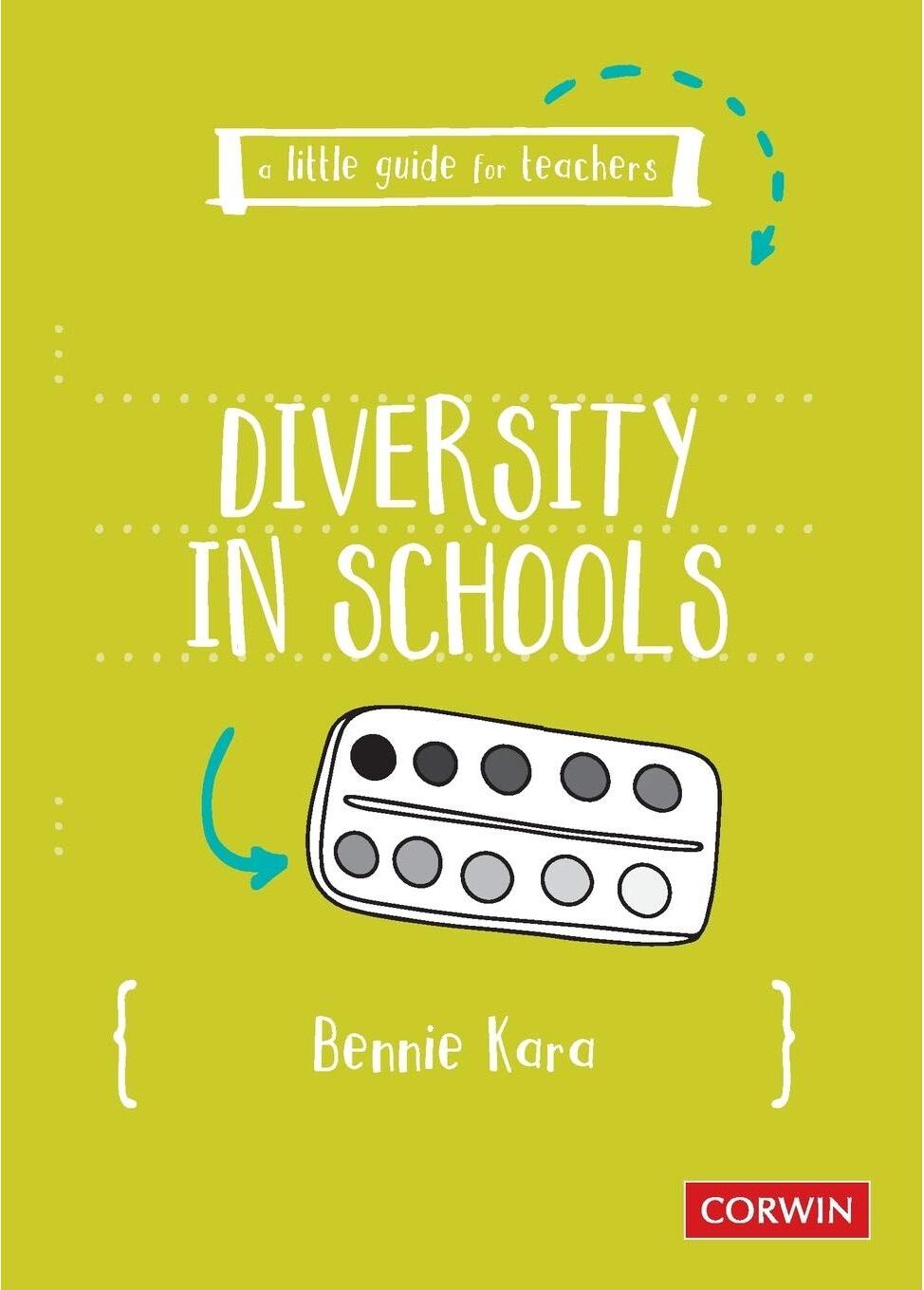
SAGE Publications A Little Guide for Teachers: Diversity in Schools (A Little Guide for Teachers)A Little Guide for Teachers: Diversity in Schools aims to provide starting points for teachers and leaders in creating a curriculum, either across disciplines or within subjects, that is as deep and diverse as their students. The Little Guide for Teachers series is little in size but BIG on all the support and inspiration you need to navigate your day to day life as a teacher. · Authored by experts in the field · Easy to dip in-and-out of · Interactive activities encourage you to write into the book and make it your own · Fun engaging illustrations throughout · Read in an afternoon or take as long as you like with it!12,99 £*Shipping: 2,99 £Secure redirect to the provider
-
Uplift Essentials N50 High Efficiency Cat Litter Deodorizer Blocks N50 High Efficiency Cat Litter Deodorizer BlocksTake control of your homes air quality with the N50 cat litter deodorizer blocks. These professionalgrade odor eliminators are engineered to neutralize stubborn ammonia and waste smells at the source, rather than just masking them with heavy...142,97 $*Shipping: 0,00 $Secure redirect to the provider
-
What is meiosis 2?
Meiosis 2 is the second stage of meiosis, a type of cell division that produces gametes (sperm and egg cells) in sexually reproducing organisms. In meiosis 2, the two daughter cells produced in meiosis 1 undergo a second round of division, resulting in the formation of four haploid cells. This process helps to ensure genetic diversity by shuffling genetic material and reducing the chromosome number in half. Meiosis 2 is essential for sexual reproduction and the production of genetically unique offspring. **
-
What is Meiosis 4?
Meiosis 4 is the final stage of meiosis, a type of cell division that results in the formation of gametes (sperm and egg cells) in sexually reproducing organisms. During meiosis 4, the two daughter cells produced in meiosis 2 divide again, resulting in a total of four haploid gametes. This process is essential for genetic diversity and the production of reproductive cells with half the number of chromosomes as the parent cell. **
-
What is Meiosis 14?
Meiosis 14 is not a recognized or scientifically accepted term in biology. Meiosis is a type of cell division that results in four daughter cells with half the number of chromosomes as the parent cell. It is a crucial process in sexual reproduction, where genetic diversity is generated. The term "Meiosis 14" may be a misunderstanding or misinterpretation of the actual process of meiosis. **
-
What is Meiosis 18?
Meiosis 18 is a hypothetical process that does not occur in nature. Meiosis is a type of cell division that reduces the chromosome number by half, resulting in the formation of gametes (sperm and egg cells) in sexually reproducing organisms. However, meiosis typically only involves two rounds of cell division, resulting in four daughter cells with half the number of chromosomes as the parent cell. The concept of Meiosis 18 is not biologically accurate and is not a recognized stage of cell division. **
* All prices are inclusive of VAT and, if applicable, plus shipping costs. The offer information is based on the details provided by the respective shop and is updated through automated processes. Real-time updates do not occur, so deviations can occur in individual cases. ** Note: Parts of this content were created by AI.