Buy tstn.eu ?
We are moving the project
tstn.eu .
Are you interested in purchasing the domain
tstn.eu ?
domain@kv-gmbh.de · 0541-91531010
Buy tstn.eu ?
Does the automotive mechanic certification from the DR Congo count in Germany?
The recognition of automotive mechanic certification from the DR Congo in Germany would depend on the specific requirements and regulations set by the German authorities. In general, Germany has a system for recognizing foreign qualifications, but it can be a complex process and may require additional training or testing to meet German standards. It is advisable for individuals with a DR Congo automotive mechanic certification to contact the relevant German authorities or professional organizations to inquire about the recognition process and any additional steps needed to work as a mechanic in Germany. **
How can one calculate the motor efficiency?
Motor efficiency can be calculated by dividing the output power of the motor by the input power required to run the motor. The output power is typically measured in watts or horsepower and represents the useful work done by the motor. The input power is the electrical power supplied to the motor, which can be measured using a power meter. By dividing the output power by the input power and multiplying by 100, you can determine the motor efficiency as a percentage. **
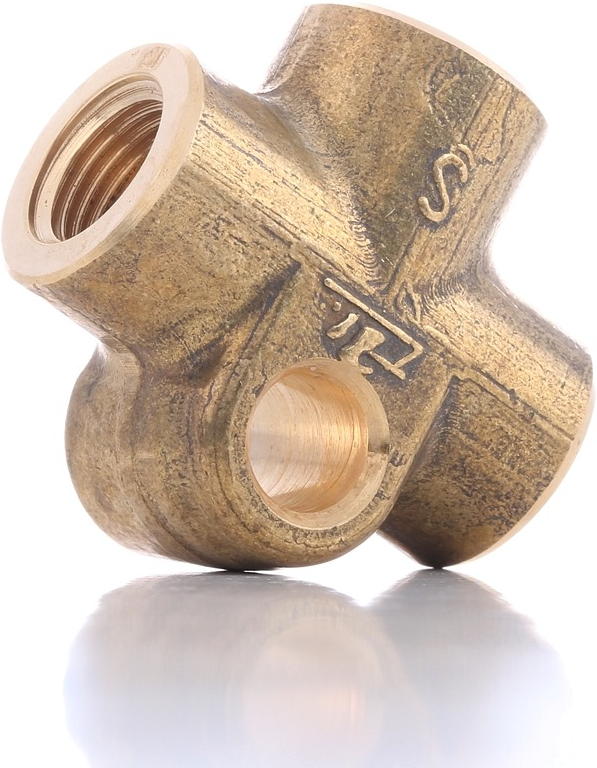
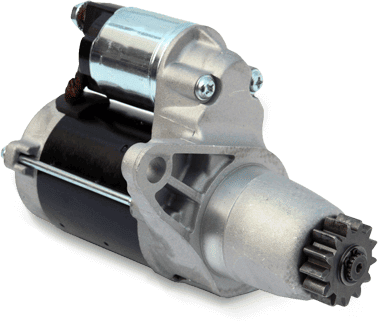
Similar search terms for DR-MOTOR-AUTOMOTIVE-DRM09L
Top-Angebote
Products related to DR-MOTOR-AUTOMOTIVE-DRM09L:
-
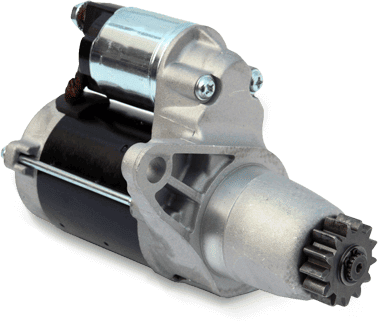
ROTOVIS Automotive Electrics 8020780 Starter motorVoltage [V]: 12; Rated Power [kW]: 0,9; Flange Diameter [mm]: 76; Number of mounting bores: 2; Rotation Direction: Anticlockwise rotation; Clamp: B+ M8, Exc Plug; Number of Teeth: 10; Vehicle Identification Number (VIN) from: 6Y-2-555576, 1J..3..100001, 8Z..3..004918; Construction Year from: 06/2002, 07/2002, 08/2002, 10/2002; Construction Year to: 05/2004, 10/2004, 04/2005, 04/2004, 11/2004; Transmission Type: Manual Transmission; Engine Code: BKY, BBY; Vehicle Identification Number (VIN) to: 9N-5-180 000, 6L..5D009015, 6L..5R090178, 6Y..5..240000; TecDoc Engine Number: 16333, 16334, 17070; Manufacturer Restriction: Bosch104,99 £*Shipping: 8,45 £Secure redirect to the provider
-
ROTOVIS Automotive Electrics 8820170 Starter motorVoltage [V]: 24; Rated Power [kW]: 4; Flange Diameter [mm]: 89; Number of mounting bores: 3; Rotation Direction: Clockwise rotation; Clamp: B+ M10, Exc M6; Number of Teeth: 10; Vehicle type: Eurocargo 65E.13, Eurocargo 65E.13P, Eurocargo 90E.21, Eurocargo 90E.21FP, Eurocargo 90E.21P, Eurocargo 100E.22P, Eurocargo 100E.21, Eurocargo 100E.21FP, Eurocargo 100E.21P, Eurocargo 100E.22, Eurocargo 100E.22FP, Eurocargo 80E.21, Eurocargo 80E.21FP, Eurocargo 80E.21P, Eurocargo 80E.22P, Eurocargo 80E.22, Eurocargo 120E.28, Eurocargo 120E.28P, Eurocargo 120E.28FP, Eurocargo 120E.24FP, Eurocargo 120E.24, Eurocargo 120E.24P, Eurocargo 120E.25, Eurocargo 150E.24, Eurocargo 150E.24FP, Eurocargo 150E.24P, Eurocargo 150E.25, Eurocargo 65E.16, Eurocargo 65E.16P, Eurocargo 80EL.16, Eurocargo 80EL.16P, Eurocargo 140E.18P, Eurocargo 140E.18, Eurocargo 140E.22, Eurocargo 140E.22FP, Eurocargo 140E.22P, Eurocargo 140E.25, Eurocargo 140E.25FP, Eurocargo 140E.25P, Eurocargo 140E.28, Eurocargo 140E.28FP, Eurocargo 140E.28P, Eurocargo 80E.18FP, Eurocargo 80E.18P, Eurocargo 80E.18, Eurocargo 120E.22, Eurocargo 120E.22FP, Eurocargo 180E.30, Eurocargo 180E.30P, Eurocargo 150E.22, Eurocargo 150E.22FP, Eurocargo 150E.22P, Eurocargo 150E.18FP, Eurocargo 150E.18P, Eurocargo 150E.18, Eurocargo 150E.30FP, Eurocargo 150E.30P, Eurocargo 150E.30, Eurocargo 160E.18FP, Eurocargo 160E.18, Eurocargo 160E.18P, Eurocargo 160E.25, Eurocargo 160E.25P, Eurocargo 160E.25FP, Eurocargo 160E.30, Eurocargo 160E.30P, Eurocargo 160E.30FP, Eurocargo 80EL.18, Eurocargo 80EL.18P, Eurocargo 75E.16, Eurocargo 75E.16P, Eurocargo 90E.22, Eurocargo 90E.22P, Eurocargo 100E.18, Eurocargo 100E.18P, Eurocargo 120E.25FP, Eurocargo 120E.25P, Eurocargo 150E.25FP, Eurocargo 150E.25P, Eurocargo 160E.22, Eurocargo 160E.22P, Eurocargo 160E.22FP, Eurocargo 160E.28, Eurocargo 160E.28P, Eurocargo 160E.28FP, Eurocargo 110EL.18P, Eurocargo 110EL.18, Eurocargo 110EL.22, Eurocargo 110EL.22P, Eurocargo 190EL.25, Eurocargo 190EL.25P, Eurocargo 190EL.28, Eurocargo 190EL.28P, Eurocargo 190EL.30, Eurocargo 190EL.30P, Eurocargo 60E.16, Eurocargo 60E.16P, Eurocargo 100E.18FP, Eurocargo 80E.22FP, Eurocargo 120E.20, Eurocargo 120E.20P; Construction Year to: 08/2005; TecDoc Engine Number: 16520; Engine Code: F4AE0681A121,99 £*Shipping: 8,45 £Secure redirect to the provider
-
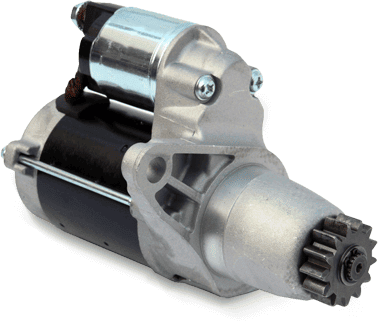
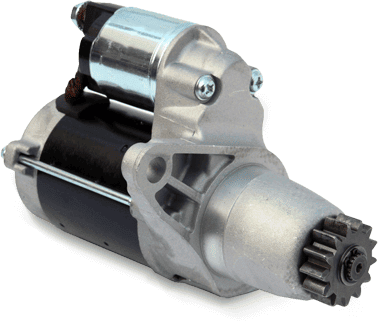
ROTOVIS Automotive Electrics 8026310 Starter motorVoltage [V]: 12; Rated Power [kW]: 1; Number of mounting bores: 3; Number of threaded holes: 3; Flange Diameter [mm]: 64; Rotation Direction: Clockwise rotation; Number of Teeth: 13; Clamp: B+ M8, Exc M6; Vehicle Equipment: for vehicles with start-stop function107,99 £*Shipping: 8,45 £Secure redirect to the provider


-
How can the motor efficiency be calculated?
Motor efficiency can be calculated by dividing the output power of the motor by the input power, and then multiplying the result by 100 to get a percentage. The output power can be determined by measuring the mechanical power output of the motor, while the input power can be calculated by measuring the electrical power input to the motor. By comparing the input and output power, the efficiency of the motor can be determined, with a higher percentage indicating a more efficient motor. **
-
Is mechanical engineering and automotive technology slowly dying out?
No, mechanical engineering and automotive technology are not slowly dying out. In fact, these fields are constantly evolving with advancements in technology, such as electric vehicles, autonomous driving, and sustainable energy solutions. There is a growing demand for skilled professionals in these areas to drive innovation and address challenges in the automotive industry. As long as there is a need for transportation and machinery, mechanical engineering and automotive technology will continue to be relevant and important fields of study and practice. **
-
What is the efficiency of the motor and generator?
The efficiency of the motor and generator can be calculated by dividing the output power by the input power and multiplying by 100 to get a percentage. The efficiency of the motor and generator is typically high, with modern motors and generators achieving efficiencies of 80-95%. This means that the majority of the input power is converted into useful output power, with only a small percentage being lost as heat or other forms of energy. High efficiency is important for reducing energy consumption and operating costs in various applications, such as industrial machinery, electric vehicles, and renewable energy systems. **
-
Why don't all motor manufacturers use Freevalve technology?
Not all motor manufacturers use Freevalve technology because it requires a significant investment in research, development, and production. Implementing Freevalve technology also requires a shift in manufacturing processes and expertise, which can be a barrier for some companies. Additionally, some manufacturers may be hesitant to adopt new technology without proven long-term reliability and performance. Finally, there may be concerns about the potential impact on existing supply chains and partnerships. **

Which book about automotive technology is good for complete beginners?
One good book for complete beginners in automotive technology is "How Cars Work" by Tom Newton. This book provides a comprehensive and easy-to-understand overview of how cars function, covering topics such as engines, transmissions, brakes, and suspension systems. It uses simple language and illustrations to help beginners grasp the fundamental concepts of automotive technology. Additionally, it is a great resource for those who want to gain a basic understanding of how cars work before delving into more advanced topics. **
Which book on automotive technology is good for complete beginners?
One highly recommended book for complete beginners in automotive technology is "Automotive Technology: Principles, Diagnosis, and Service" by James D. Halderman. This book provides a comprehensive overview of automotive systems and covers topics such as engine operation, electrical systems, brakes, and steering. It is written in a clear and accessible manner, making it easy for beginners to understand complex concepts. Additionally, the book includes numerous illustrations and real-world examples to help reinforce learning. **
Top-Angebote
Products related to DR-MOTOR-AUTOMOTIVE-DRM09L:
-
ROTOVIS Automotive Electrics 8020780 Starter motorVoltage [V]: 12; Rated Power [kW]: 0,9; Flange Diameter [mm]: 76; Number of mounting bores: 2; Rotation Direction: Anticlockwise rotation; Clamp: B+ M8, Exc Plug; Number of Teeth: 10; Vehicle Identification Number (VIN) from: 6Y-2-555576, 1J..3..100001, 8Z..3..004918; Construction Year from: 06/2002, 07/2002, 08/2002, 10/2002; Construction Year to: 05/2004, 10/2004, 04/2005, 04/2004, 11/2004; Transmission Type: Manual Transmission; Engine Code: BKY, BBY; Vehicle Identification Number (VIN) to: 9N-5-180 000, 6L..5D009015, 6L..5R090178, 6Y..5..240000; TecDoc Engine Number: 16333, 16334, 17070; Manufacturer Restriction: Bosch104,99 £*Shipping: 8,45 £Secure redirect to the provider
-
Does the automotive mechanic certification from the DR Congo count in Germany?
The recognition of automotive mechanic certification from the DR Congo in Germany would depend on the specific requirements and regulations set by the German authorities. In general, Germany has a system for recognizing foreign qualifications, but it can be a complex process and may require additional training or testing to meet German standards. It is advisable for individuals with a DR Congo automotive mechanic certification to contact the relevant German authorities or professional organizations to inquire about the recognition process and any additional steps needed to work as a mechanic in Germany. **
-
How can one calculate the motor efficiency?
Motor efficiency can be calculated by dividing the output power of the motor by the input power required to run the motor. The output power is typically measured in watts or horsepower and represents the useful work done by the motor. The input power is the electrical power supplied to the motor, which can be measured using a power meter. By dividing the output power by the input power and multiplying by 100, you can determine the motor efficiency as a percentage. **
-
How can the motor efficiency be calculated?
Motor efficiency can be calculated by dividing the output power of the motor by the input power, and then multiplying the result by 100 to get a percentage. The output power can be determined by measuring the mechanical power output of the motor, while the input power can be calculated by measuring the electrical power input to the motor. By comparing the input and output power, the efficiency of the motor can be determined, with a higher percentage indicating a more efficient motor. **
-
Is mechanical engineering and automotive technology slowly dying out?
No, mechanical engineering and automotive technology are not slowly dying out. In fact, these fields are constantly evolving with advancements in technology, such as electric vehicles, autonomous driving, and sustainable energy solutions. There is a growing demand for skilled professionals in these areas to drive innovation and address challenges in the automotive industry. As long as there is a need for transportation and machinery, mechanical engineering and automotive technology will continue to be relevant and important fields of study and practice. **
Similar search terms for DR-MOTOR-AUTOMOTIVE-DRM09L
-
ROTOVIS Automotive Electrics 8820170 Starter motorVoltage [V]: 24; Rated Power [kW]: 4; Flange Diameter [mm]: 89; Number of mounting bores: 3; Rotation Direction: Clockwise rotation; Clamp: B+ M10, Exc M6; Number of Teeth: 10; Vehicle type: Eurocargo 65E.13, Eurocargo 65E.13P, Eurocargo 90E.21, Eurocargo 90E.21FP, Eurocargo 90E.21P, Eurocargo 100E.22P, Eurocargo 100E.21, Eurocargo 100E.21FP, Eurocargo 100E.21P, Eurocargo 100E.22, Eurocargo 100E.22FP, Eurocargo 80E.21, Eurocargo 80E.21FP, Eurocargo 80E.21P, Eurocargo 80E.22P, Eurocargo 80E.22, Eurocargo 120E.28, Eurocargo 120E.28P, Eurocargo 120E.28FP, Eurocargo 120E.24FP, Eurocargo 120E.24, Eurocargo 120E.24P, Eurocargo 120E.25, Eurocargo 150E.24, Eurocargo 150E.24FP, Eurocargo 150E.24P, Eurocargo 150E.25, Eurocargo 65E.16, Eurocargo 65E.16P, Eurocargo 80EL.16, Eurocargo 80EL.16P, Eurocargo 140E.18P, Eurocargo 140E.18, Eurocargo 140E.22, Eurocargo 140E.22FP, Eurocargo 140E.22P, Eurocargo 140E.25, Eurocargo 140E.25FP, Eurocargo 140E.25P, Eurocargo 140E.28, Eurocargo 140E.28FP, Eurocargo 140E.28P, Eurocargo 80E.18FP, Eurocargo 80E.18P, Eurocargo 80E.18, Eurocargo 120E.22, Eurocargo 120E.22FP, Eurocargo 180E.30, Eurocargo 180E.30P, Eurocargo 150E.22, Eurocargo 150E.22FP, Eurocargo 150E.22P, Eurocargo 150E.18FP, Eurocargo 150E.18P, Eurocargo 150E.18, Eurocargo 150E.30FP, Eurocargo 150E.30P, Eurocargo 150E.30, Eurocargo 160E.18FP, Eurocargo 160E.18, Eurocargo 160E.18P, Eurocargo 160E.25, Eurocargo 160E.25P, Eurocargo 160E.25FP, Eurocargo 160E.30, Eurocargo 160E.30P, Eurocargo 160E.30FP, Eurocargo 80EL.18, Eurocargo 80EL.18P, Eurocargo 75E.16, Eurocargo 75E.16P, Eurocargo 90E.22, Eurocargo 90E.22P, Eurocargo 100E.18, Eurocargo 100E.18P, Eurocargo 120E.25FP, Eurocargo 120E.25P, Eurocargo 150E.25FP, Eurocargo 150E.25P, Eurocargo 160E.22, Eurocargo 160E.22P, Eurocargo 160E.22FP, Eurocargo 160E.28, Eurocargo 160E.28P, Eurocargo 160E.28FP, Eurocargo 110EL.18P, Eurocargo 110EL.18, Eurocargo 110EL.22, Eurocargo 110EL.22P, Eurocargo 190EL.25, Eurocargo 190EL.25P, Eurocargo 190EL.28, Eurocargo 190EL.28P, Eurocargo 190EL.30, Eurocargo 190EL.30P, Eurocargo 60E.16, Eurocargo 60E.16P, Eurocargo 100E.18FP, Eurocargo 80E.22FP, Eurocargo 120E.20, Eurocargo 120E.20P; Construction Year to: 08/2005; TecDoc Engine Number: 16520; Engine Code: F4AE0681A121,99 £*Shipping: 8,45 £Secure redirect to the provider
-
ROTOVIS Automotive Electrics 8026310 Starter motorVoltage [V]: 12; Rated Power [kW]: 1; Number of mounting bores: 3; Number of threaded holes: 3; Flange Diameter [mm]: 64; Rotation Direction: Clockwise rotation; Number of Teeth: 13; Clamp: B+ M8, Exc M6; Vehicle Equipment: for vehicles with start-stop function107,99 £*Shipping: 8,45 £Secure redirect to the provider
-
ROTOVIS Automotive Electrics 8081220 Starter motorVoltage [V]: 12; Rated Power [kW]: 1,5; Number of mounting bores: 4; Number of threaded holes: 3; Flange Diameter [mm]: 62; Rotation Direction: Clockwise rotation; Number of Teeth: 11; Clamp: B+ M8, Exc M5134,99 £*Shipping: 1,99 £Secure redirect to the provider
-
ROTOVIS Automotive Electrics 8081290 Starter motorVoltage [V]: 12; Rated Power [kW]: 1,6; Number of mounting bores: 2; Number of threaded holes: 1; Flange Diameter [mm]: 74; Rotation Direction: Clockwise rotation; Number of Teeth: 15; Clamp: B+ M8, Exc Plug; Vehicle Equipment: for vehicles with start-stop function246,99 £*Shipping: 1,99 £Secure redirect to the provider
-
What is the efficiency of the motor and generator?
The efficiency of the motor and generator can be calculated by dividing the output power by the input power and multiplying by 100 to get a percentage. The efficiency of the motor and generator is typically high, with modern motors and generators achieving efficiencies of 80-95%. This means that the majority of the input power is converted into useful output power, with only a small percentage being lost as heat or other forms of energy. High efficiency is important for reducing energy consumption and operating costs in various applications, such as industrial machinery, electric vehicles, and renewable energy systems. **
-
Why don't all motor manufacturers use Freevalve technology?
Not all motor manufacturers use Freevalve technology because it requires a significant investment in research, development, and production. Implementing Freevalve technology also requires a shift in manufacturing processes and expertise, which can be a barrier for some companies. Additionally, some manufacturers may be hesitant to adopt new technology without proven long-term reliability and performance. Finally, there may be concerns about the potential impact on existing supply chains and partnerships. **
-
Which book about automotive technology is good for complete beginners?
One good book for complete beginners in automotive technology is "How Cars Work" by Tom Newton. This book provides a comprehensive and easy-to-understand overview of how cars function, covering topics such as engines, transmissions, brakes, and suspension systems. It uses simple language and illustrations to help beginners grasp the fundamental concepts of automotive technology. Additionally, it is a great resource for those who want to gain a basic understanding of how cars work before delving into more advanced topics. **
-
Which book on automotive technology is good for complete beginners?
One highly recommended book for complete beginners in automotive technology is "Automotive Technology: Principles, Diagnosis, and Service" by James D. Halderman. This book provides a comprehensive overview of automotive systems and covers topics such as engine operation, electrical systems, brakes, and steering. It is written in a clear and accessible manner, making it easy for beginners to understand complex concepts. Additionally, the book includes numerous illustrations and real-world examples to help reinforce learning. **
* All prices are inclusive of VAT and, if applicable, plus shipping costs. The offer information is based on the details provided by the respective shop and is updated through automated processes. Real-time updates do not occur, so deviations can occur in individual cases. ** Note: Parts of this content were created by AI.