Buy tstn.eu ?
We are moving the project
tstn.eu .
Are you interested in purchasing the domain
tstn.eu ?
domain@kv-gmbh.de · 0541-91531010
Buy tstn.eu ?
What are colonies?
Colonies are territories or regions that are controlled and governed by a more powerful country or state. The ruling country typically establishes control over the colony for economic, political, or strategic reasons. Colonies are often established through conquest, settlement, or trade, and the ruling country may impose its own laws, customs, and language on the colony. Throughout history, many countries have established colonies around the world, leading to significant cultural, social, and economic impacts on both the ruling country and the colonized region. **
Should colonies be removed?
The decision to remove colonies should be carefully considered on a case-by-case basis. Colonies can have negative impacts on native ecosystems and species, and can also pose health and safety risks to humans. However, removal should be approached with caution, as it can disrupt the balance of local ecosystems and may not always be the most effective solution. It is important to consider alternative methods of managing colonies, such as habitat modification or relocation, before resorting to removal. Ultimately, the decision should be made with the goal of minimizing harm to both the environment and the animals involved. **


Similar search terms for Colonies
Top-Angebote
Products related to Colonies:
-
Uplift Essentials Armband Heart Rate Monitor With Bluetooth 5.0 And ANT+ Connectivity Armband Heart Rate Monitor With Bluetooth 5.0 And ANT+ ConnectivityTrain smarter and safer with this armband heart rate monitor featuring accurate optical HR tracking, calorie burn monitoring, and heart rate zone feedback. Designed for fitness enthusiasts, cyclists, and athletes, this device connects seamlessly to...126,97 $*Shipping: 0,00 $Secure redirect to the provider
-
Mamas & Papas Special Edition Liberty Collaboration Cold Weather Plus FootmuffThe Cold Weather Plus Footmuff by Mamas & Papas is the ultimate footmuff for cold weather protection, and features an extra-soft fleece lining. Ideal for keeping baby warm and cozy when out and about in cool weather, you can even zip down to a liner...150,00 $*Shipping: 0,00 $Secure redirect to the provider
-
Yealink MeetingBoard 65-inch 4K Interactive Collaboration Display (MB65-A001)Yealink MeetingBoard 65 (MB65-A001): a 65-inch 4K Ultra HD LED-backlit interactive touch display for meeting rooms, with built-in camera, microphone array and speakers for Microsoft Teams Rooms and Zoom Rooms. Runs Android with a built-in processor and Wi-Fi.3896,99 £*Shipping: 0,00 £Secure redirect to the provider




-
Which of the 13 English colonies clearly demonstrate that they are British colonies?
The colony of Virginia clearly demonstrates that it is a British colony. Virginia was the first permanent English settlement in North America, established in 1607. It was named after Queen Elizabeth I, who was known as the "Virgin Queen." Virginia's government and society were heavily influenced by British customs and laws, and it played a significant role in the British colonial system. Additionally, Virginia was a royal colony, meaning it was under direct control of the British crown. **
-
Which of the 13 English colonies clearly show that they are British colonies?
All 13 English colonies were British colonies, but some like Virginia, Massachusetts, and New York clearly demonstrate their British roots through their establishment by British settlers, adherence to British laws and governance, and economic ties to Britain through trade and commerce. These colonies maintained strong cultural, political, and economic connections to Britain, which influenced their development and identity as British colonies. **
-
What are the current colonies?
As of 2021, there are 17 non-self-governing territories recognized by the United Nations as colonies. These include territories such as Western Sahara, Gibraltar, Falkland Islands, and New Caledonia, among others. These territories are under the administration of another country and have not yet achieved self-governance or independence. The status of these territories is subject to ongoing political discussions and negotiations. **
-
What are North American colonies?
North American colonies refer to the territories in North America that were established and governed by European powers, primarily England, France, and Spain, during the 16th to 18th centuries. These colonies were used for economic purposes such as resource extraction, trade, and agriculture, and were often subject to the laws and regulations of the mother country. Over time, many of these colonies gained independence and eventually formed the countries we know today, such as the United States and Canada. **

Where did England have colonies?
England had colonies in various regions around the world, including North America (such as the Thirteen Colonies), the Caribbean (like Jamaica and Barbados), Africa (like South Africa and Nigeria), Asia (such as India and Singapore), and Oceania (like Australia and New Zealand). These colonies were established through exploration, conquest, and colonization efforts by the English throughout history. **
Did Austria-Hungary have colonies?
Yes, Austria-Hungary did have colonies. The empire had control over territories in Africa, including parts of present-day Tanzania, Burundi, and Rwanda. These territories were acquired through treaties and agreements with other European powers during the "Scramble for Africa" in the late 19th century. However, Austria-Hungary's colonial holdings were relatively small compared to other European powers, and the empire's focus remained primarily on its holdings in Europe. **
Top-Angebote
Products related to Colonies:
-
Sesderma Reti Age 5 Liposomal Serum Anti-Aging Innovation 30mLA facial serum for wrinkles and signs of ageing. Reduces wrinkles and fine lines. Hydrates and strengthens barrier. Restores youthful radiance. 5-Retinoid System: smooths wrinkles, accelerates renewal, and boosts collagen. Biomimetic Peptides: fill expression lines by stimulating collagen synthesis.54,51 £*Shipping: 5,34 £Secure redirect to the provider
-
Uplift Essentials Armband Heart Rate Monitor With Bluetooth 5.0 And ANT+ Connectivity Armband Heart Rate Monitor With Bluetooth 5.0 And ANT+ ConnectivityTrain smarter and safer with this armband heart rate monitor featuring accurate optical HR tracking, calorie burn monitoring, and heart rate zone feedback. Designed for fitness enthusiasts, cyclists, and athletes, this device connects seamlessly to...126,97 $*Shipping: 0,00 $Secure redirect to the provider
-
What are colonies?
Colonies are territories or regions that are controlled and governed by a more powerful country or state. The ruling country typically establishes control over the colony for economic, political, or strategic reasons. Colonies are often established through conquest, settlement, or trade, and the ruling country may impose its own laws, customs, and language on the colony. Throughout history, many countries have established colonies around the world, leading to significant cultural, social, and economic impacts on both the ruling country and the colonized region. **
-
Should colonies be removed?
The decision to remove colonies should be carefully considered on a case-by-case basis. Colonies can have negative impacts on native ecosystems and species, and can also pose health and safety risks to humans. However, removal should be approached with caution, as it can disrupt the balance of local ecosystems and may not always be the most effective solution. It is important to consider alternative methods of managing colonies, such as habitat modification or relocation, before resorting to removal. Ultimately, the decision should be made with the goal of minimizing harm to both the environment and the animals involved. **
-
Which of the 13 English colonies clearly demonstrate that they are British colonies?
The colony of Virginia clearly demonstrates that it is a British colony. Virginia was the first permanent English settlement in North America, established in 1607. It was named after Queen Elizabeth I, who was known as the "Virgin Queen." Virginia's government and society were heavily influenced by British customs and laws, and it played a significant role in the British colonial system. Additionally, Virginia was a royal colony, meaning it was under direct control of the British crown. **
-
Which of the 13 English colonies clearly show that they are British colonies?
All 13 English colonies were British colonies, but some like Virginia, Massachusetts, and New York clearly demonstrate their British roots through their establishment by British settlers, adherence to British laws and governance, and economic ties to Britain through trade and commerce. These colonies maintained strong cultural, political, and economic connections to Britain, which influenced their development and identity as British colonies. **
Similar search terms for Colonies
-
Mamas & Papas Special Edition Liberty Collaboration Cold Weather Plus FootmuffThe Cold Weather Plus Footmuff by Mamas & Papas is the ultimate footmuff for cold weather protection, and features an extra-soft fleece lining. Ideal for keeping baby warm and cozy when out and about in cool weather, you can even zip down to a liner...150,00 $*Shipping: 0,00 $Secure redirect to the provider
-
Yealink MeetingBoard 65-inch 4K Interactive Collaboration Display (MB65-A001)Yealink MeetingBoard 65 (MB65-A001): a 65-inch 4K Ultra HD LED-backlit interactive touch display for meeting rooms, with built-in camera, microphone array and speakers for Microsoft Teams Rooms and Zoom Rooms. Runs Android with a built-in processor and Wi-Fi.3896,99 £*Shipping: 0,00 £Secure redirect to the provider
-
Dell Pro Silent Wired Collaboration Keyboard KB525C UK QWERTY - BlackProfessional wired collaboration keyboard featuring spill-resistant design and silent key switches. Includes 15 programmable shortcut keys, dedicated Copilot key, and volume controls for enhanced productivity. Full numeric keypad and UK QWERTY layout with comprehensive 3-year NBD Advance Exchange support.45,99 £*Shipping: 0,00 £Secure redirect to the provider
-
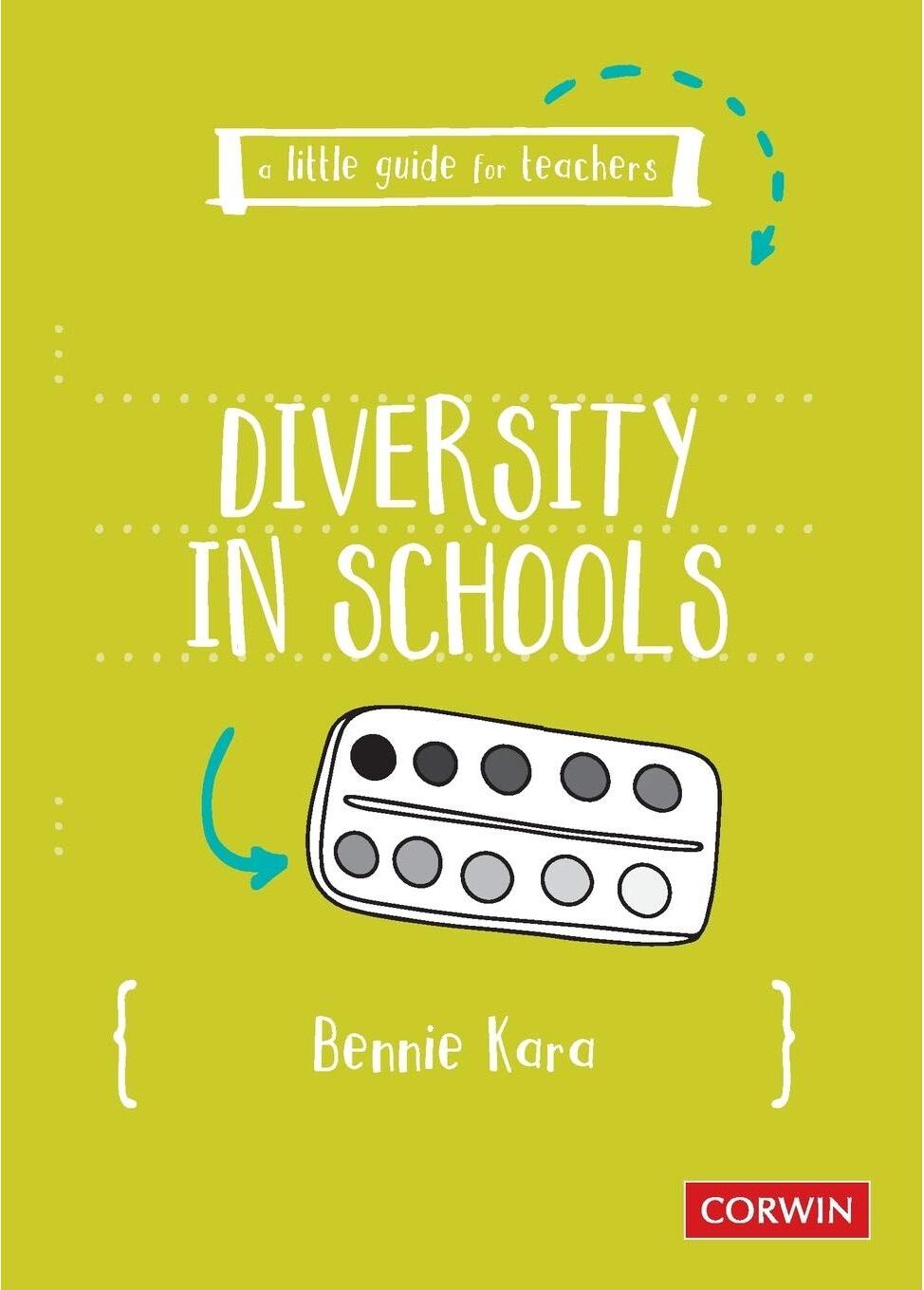
SAGE Publications A Little Guide for Teachers: Diversity in Schools (A Little Guide for Teachers)A Little Guide for Teachers: Diversity in Schools aims to provide starting points for teachers and leaders in creating a curriculum, either across disciplines or within subjects, that is as deep and diverse as their students. The Little Guide for Teachers series is little in size but BIG on all the support and inspiration you need to navigate your day to day life as a teacher. · Authored by experts in the field · Easy to dip in-and-out of · Interactive activities encourage you to write into the book and make it your own · Fun engaging illustrations throughout · Read in an afternoon or take as long as you like with it!12,99 £*Shipping: 2,99 £Secure redirect to the provider
-
What are the current colonies?
As of 2021, there are 17 non-self-governing territories recognized by the United Nations as colonies. These include territories such as Western Sahara, Gibraltar, Falkland Islands, and New Caledonia, among others. These territories are under the administration of another country and have not yet achieved self-governance or independence. The status of these territories is subject to ongoing political discussions and negotiations. **
-
What are North American colonies?
North American colonies refer to the territories in North America that were established and governed by European powers, primarily England, France, and Spain, during the 16th to 18th centuries. These colonies were used for economic purposes such as resource extraction, trade, and agriculture, and were often subject to the laws and regulations of the mother country. Over time, many of these colonies gained independence and eventually formed the countries we know today, such as the United States and Canada. **
-
Where did England have colonies?
England had colonies in various regions around the world, including North America (such as the Thirteen Colonies), the Caribbean (like Jamaica and Barbados), Africa (like South Africa and Nigeria), Asia (such as India and Singapore), and Oceania (like Australia and New Zealand). These colonies were established through exploration, conquest, and colonization efforts by the English throughout history. **
-
Did Austria-Hungary have colonies?
Yes, Austria-Hungary did have colonies. The empire had control over territories in Africa, including parts of present-day Tanzania, Burundi, and Rwanda. These territories were acquired through treaties and agreements with other European powers during the "Scramble for Africa" in the late 19th century. However, Austria-Hungary's colonial holdings were relatively small compared to other European powers, and the empire's focus remained primarily on its holdings in Europe. **
* All prices are inclusive of VAT and, if applicable, plus shipping costs. The offer information is based on the details provided by the respective shop and is updated through automated processes. Real-time updates do not occur, so deviations can occur in individual cases. ** Note: Parts of this content were created by AI.